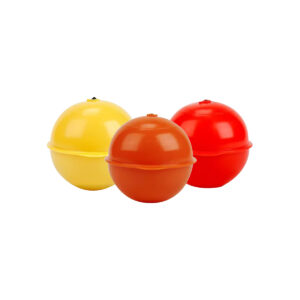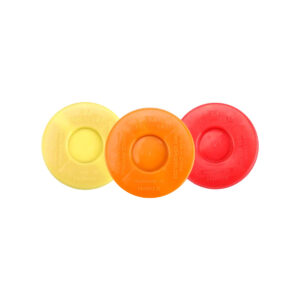
The 3M Mid-Range Marker may help save telecommunications companies time and money by allowing utility field crews to quickly pinpoint the location of all types of buried facilities including buried splices, fiber optic facilities, service drops and manholes. Using Mid-Range Markers during construction, installation and maintenance virtually eliminates the time consuming search for “lost” facilities
Innovative solutions for underground infrastructure identification –Marker and Locator

Mid-Range Marker

RF-ID Ball Marker

Passive Ball Marker
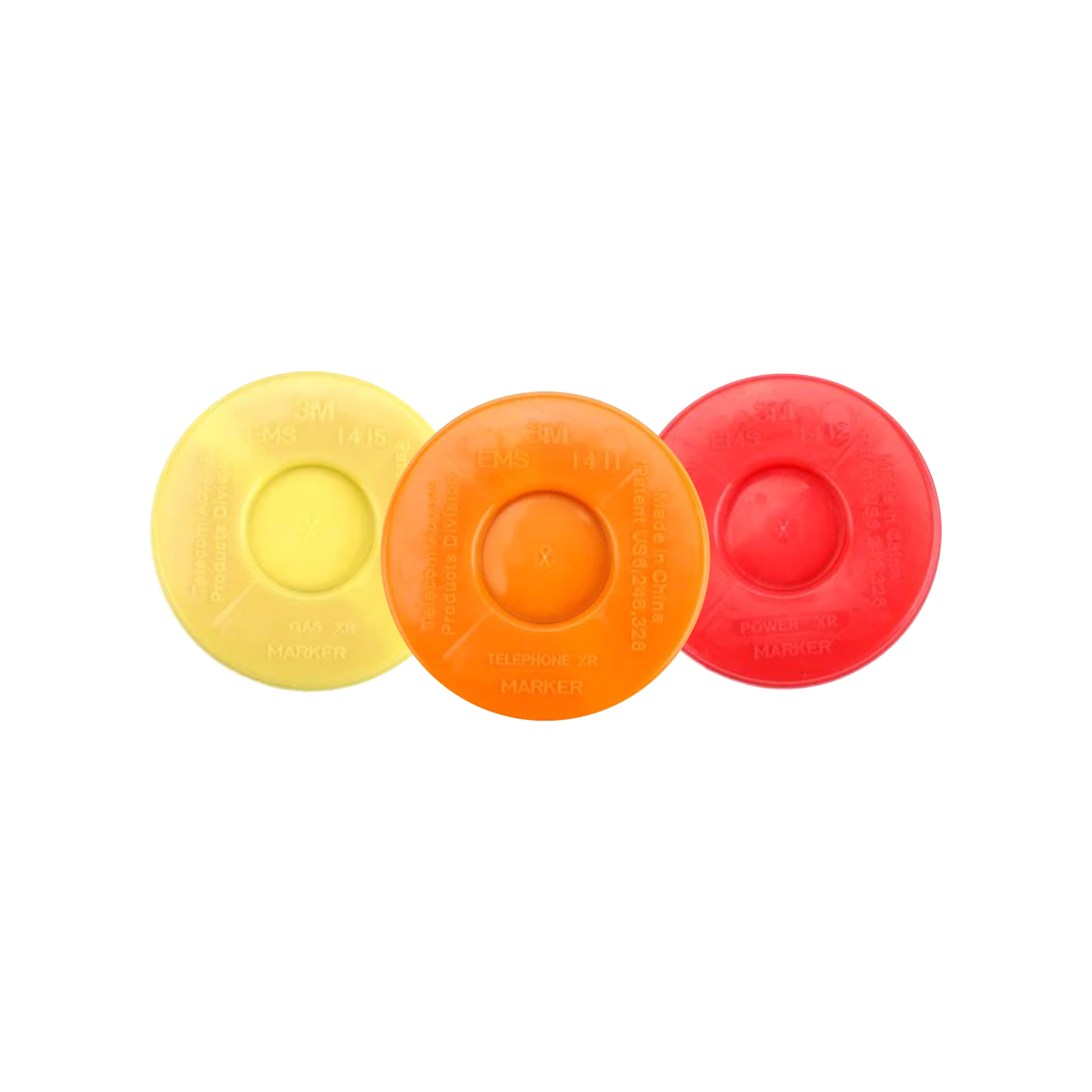
Full Range Passive Disk Marker

Full Range RF-ID Disk Marker
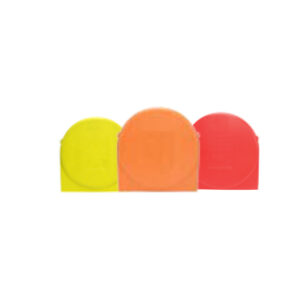
We offers a wide range of Marker and Locator systems. Our Marker and Locator system are reliable solutions for marking and locating underground utility lines, pipelines, and other infrastructure. The system includes a range of markers, locators, and accessories that are designed to withstand harsh weather conditions, ensuring long-lasting visibility and durability. Our Marker and Locator system are easy to install, and it can be used in a variety of applications, from construction sites and mining operations to residential and commercial properties. We provide innovative and cost-effective solutions for locating and identifying underground utilities.
Key Features
- Positive Identification of underground assets
- No external power source needed
- Burial Depth (Imperial) upto 3ft
- Resistant to elements
- Color conforms to APWA standards
Mid-Range Marker
RF-ID Ball Marker
The 3M RF-ID Ball Marker may help save telecommunications companies time and money by allowing utility field crews to quickly pinpoint the location of all types of buried facilities including buried splices, fiber optic facilities, service drops and manholes. Using RF-ID Ball Markers during construction, installation and maintenance virtually eliminates the time consuming search for “lost” facilities.
Key Features
- Self-leveling design for precise and horizontal positioning
- Offers easy marking of buried underground utilities
- RF-ID Ball Markers may be programmed to include customer-specific information such as facility data, type of application, material type and size, placement date and other important details.
The 3M Passive Ball Marker may help save telecommunications companies time and money by allowing utility field crews to quickly pinpoint the location of all types of buried facilities including buried splices, fiber optic facilities, service drops and manholes. Using Passive Ball Markers during construction, installation and maintenance virtually eliminates the time consuming search for “lost” facilities.
Key Features
- Self-leveling design for precise and horizontal positioning
- Offers easy marking of buried power lines
- Passive antenna encased in water-resistant polyethylene shell
Passive Ball Marker
Full Range Passive Disk Marker
The 3M Full Range Passive Disk Marker may help save telecommunications companies time and money by allowing utility field crews to quickly pinpoint the location of all types of buried facilities including buried splices, fiber optic facilities, service drops and manholes. Using Passive Ball Markers during construction, installation and maintenance virtually eliminates the time consuming search for “lost” facilities.
Key Features
- Positive Identification of underground assets
- No external power source needed
- Burial Depth (Imperial) upto 8ft
- Resistant to elements
- Color conforms to APWA standards
The 3M Full Range RF-ID Marker may help save telecommunications companies time and money by allowing utility field crews to quickly pinpoint the location of all types of buried facilities including buried splices, fiber optic facilities, service drops and manholes. Using Passive Ball Markers during construction, installation and maintenance virtually eliminates the time consuming search for “lost” facilities.
Key Features
- Positive Identification of underground assets
- No external power source needed
- Burial Depth (Imperial) upto 8ft
- Resistant to elements
- Color conforms to APWA standards
- RF-ID Disk Markers may be programmed to include customer-specific information such as facility data, type of application, material type and size, placement date and other important details.